Anthropic’s Claude Faces Major Outage
Anthropic has encountered significant backlash recently. In just a few days, the global developer community’s anger erupted like a volcano, as Claude seemingly fell from grace overnight.
Just yesterday, Anthropic launched Claude Code v2.1.92, introducing a new feature called Ultraplan. However, on the same day, the company experienced an epic service outage.
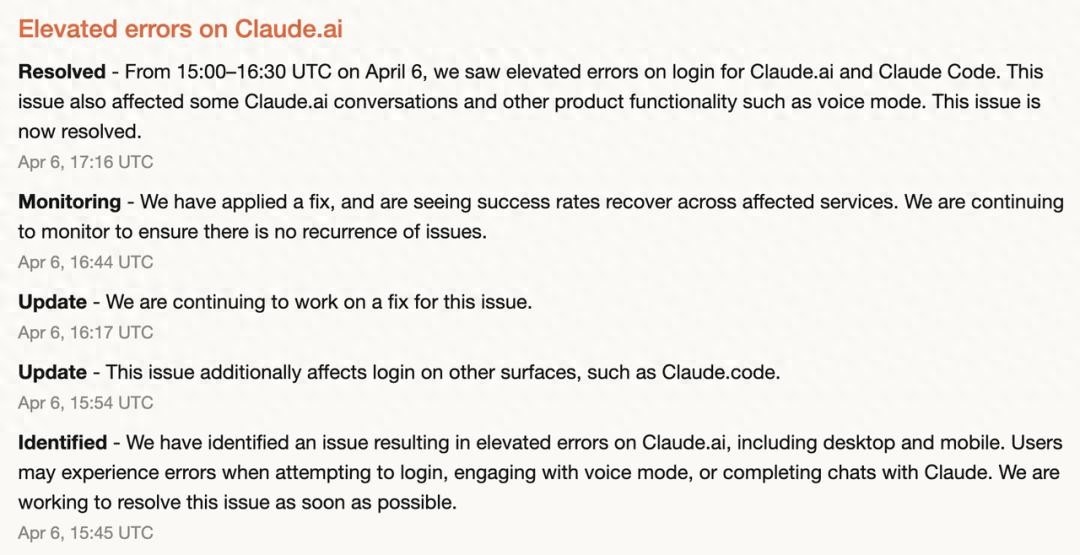
Countless eager developers were met not with “Ultraplan” but with screens filled with “authorization failed” and “internal server error” messages. Claude Code bombarded developers with login prompts, only to inform them that they couldn’t log in. Many developers flooded Reddit with angry comments, declaring, “This company has become a joke!”
Moreover, Anthropic has faced criticism for a controversial move: if developers attempt to modify the system prompts, the backend will throw a “400 error.” This may be a patch for a previous source code leak incident, but it has sparked significant controversy.

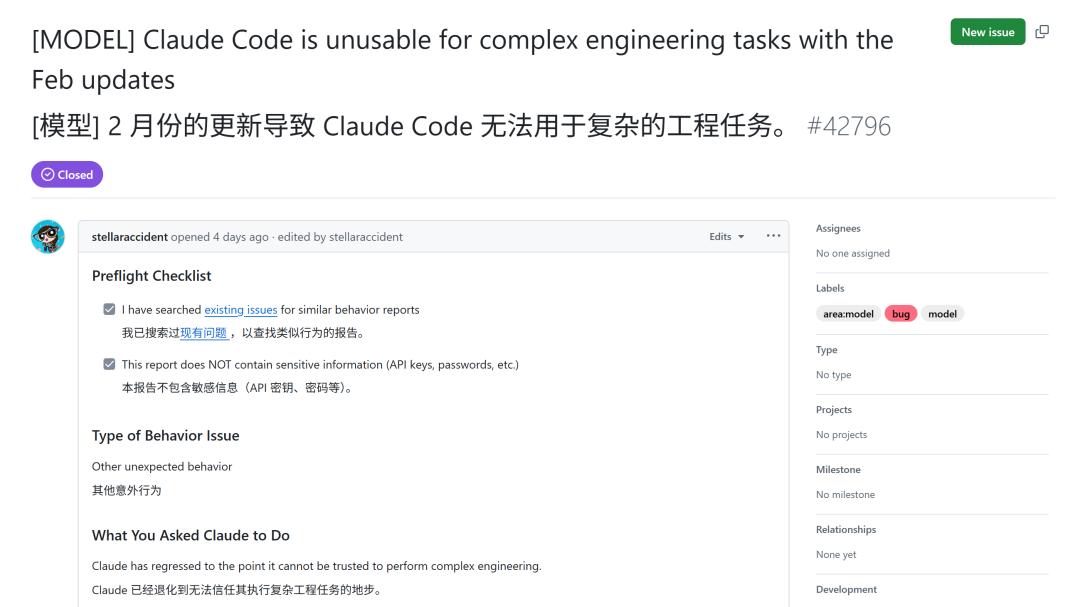
Additionally, developers have submitted issues on GitHub, pointing out that since the February update, Claude Code’s performance has severely declined. It struggles with complex engineering tasks, producing unstable outputs and frequently deviating from requirements, sometimes becoming unusable.
In just a few days, there were three major failures, demonstrating that Anthropic, eager to launch new features, has become too profit-driven. A flashy new feature each day cannot compensate for a lack of basic stability.
New Feature Launch Leads to Major Outage
The new “Ultraplan” feature in Claude Code v2.1.92 was described in an enticing way by the company.
What is Ultraplan?
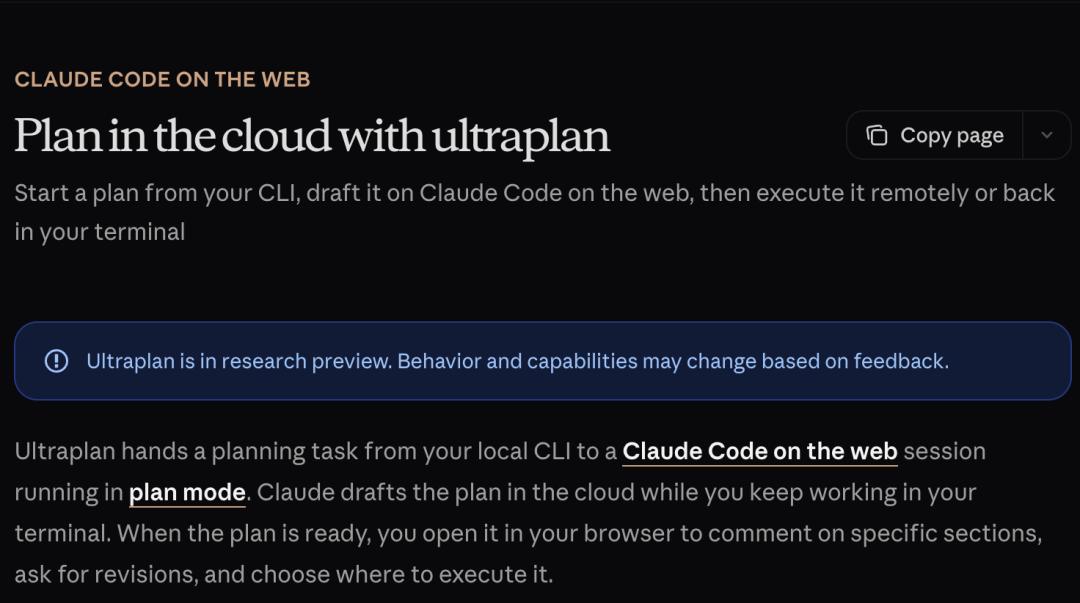
It is not a new subscription plan but a new feature of Claude Code that moves the planning process from local terminals to the cloud.
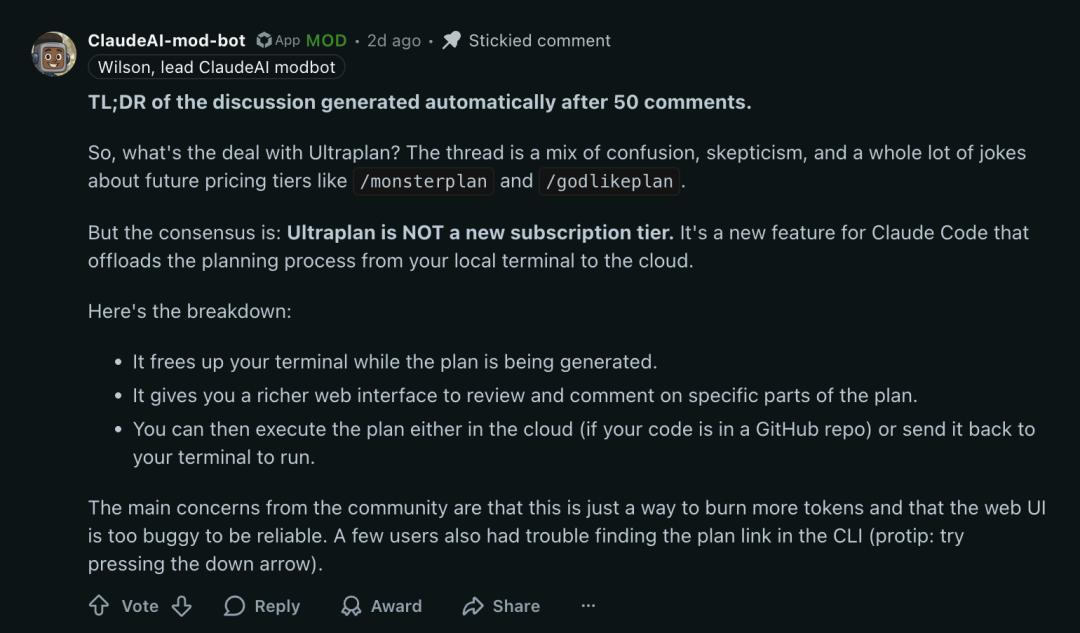
During the planning generation, you can free up your local terminal instead of waiting constantly. Additionally, the new feature offers a more comprehensive web interface to view and comment on various parts of the plan.
Finally, you can choose to execute the plan in the cloud (requiring code to be in a GitHub repository) or send the plan back to the local terminal for execution.
This means AI-assisted development will enter a new realm: AI not only helps you complete code but also assists in planning the entire project’s execution path.
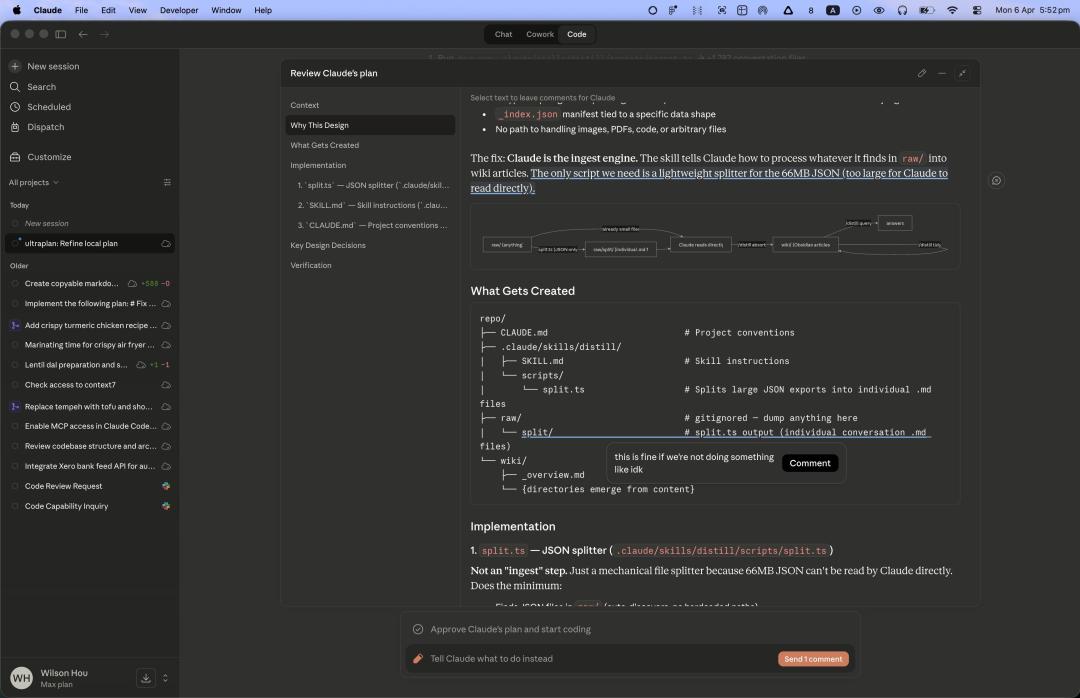
Originally, Claude Code aimed to surprise users, but it ended up crashing spectacularly. This epic outage led developers to complain that “Ultraplan” should actually be called “Ultralogin,” with some humorously dubbing it OnlyPlans.
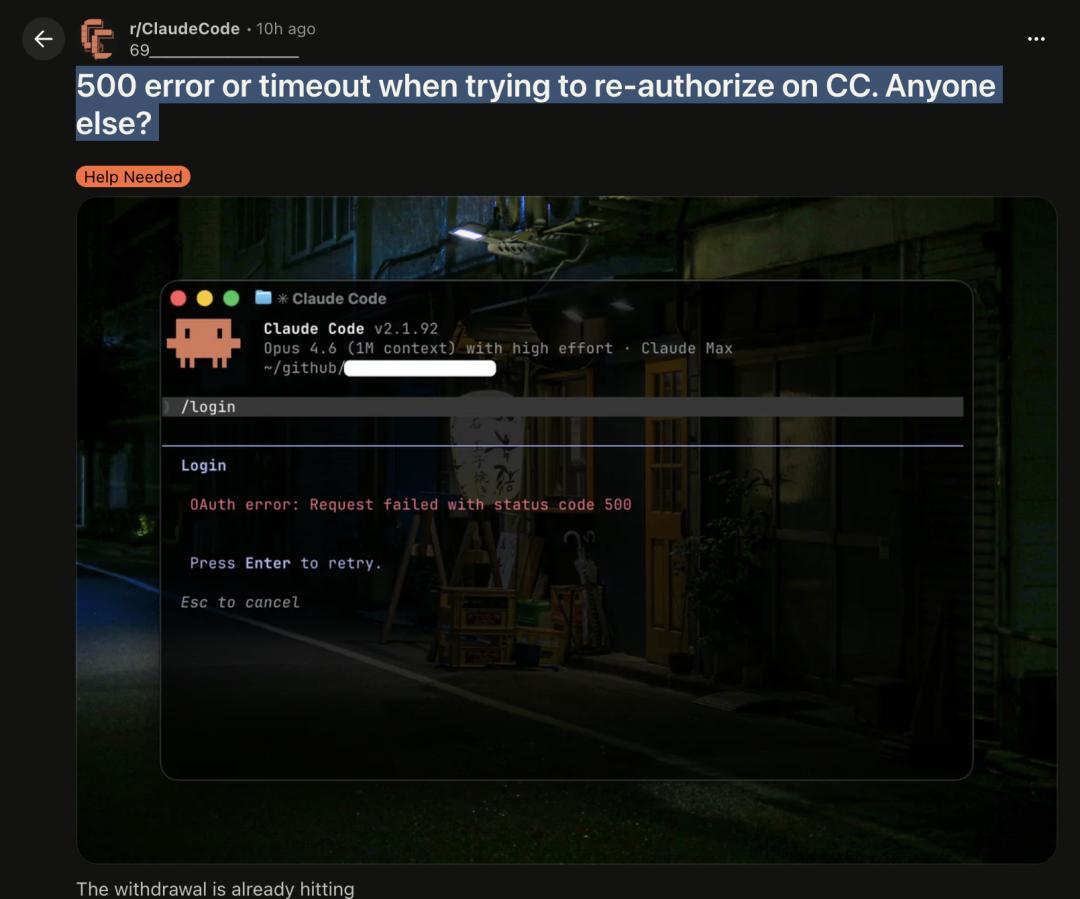

Many users reported issues with Claude Code, with Opus being “dumbed down” and even receiving prompts about reaching a 5-hour usage limit after just two rounds of dialogue.
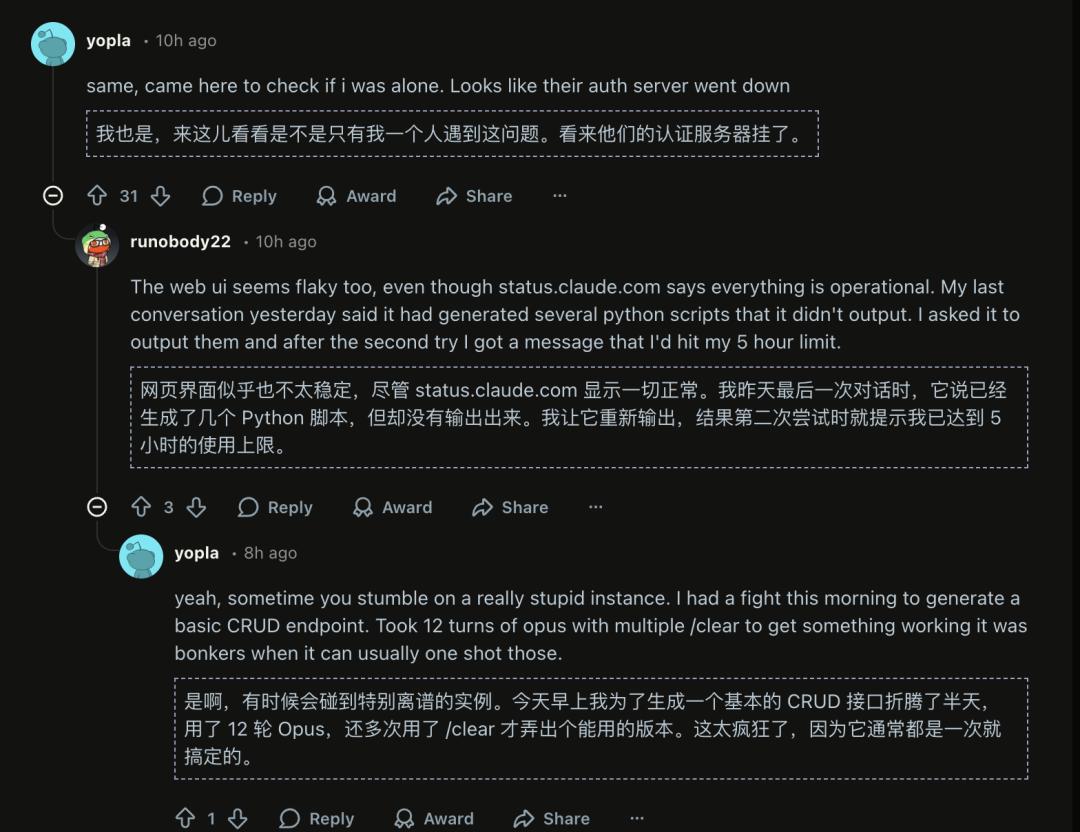
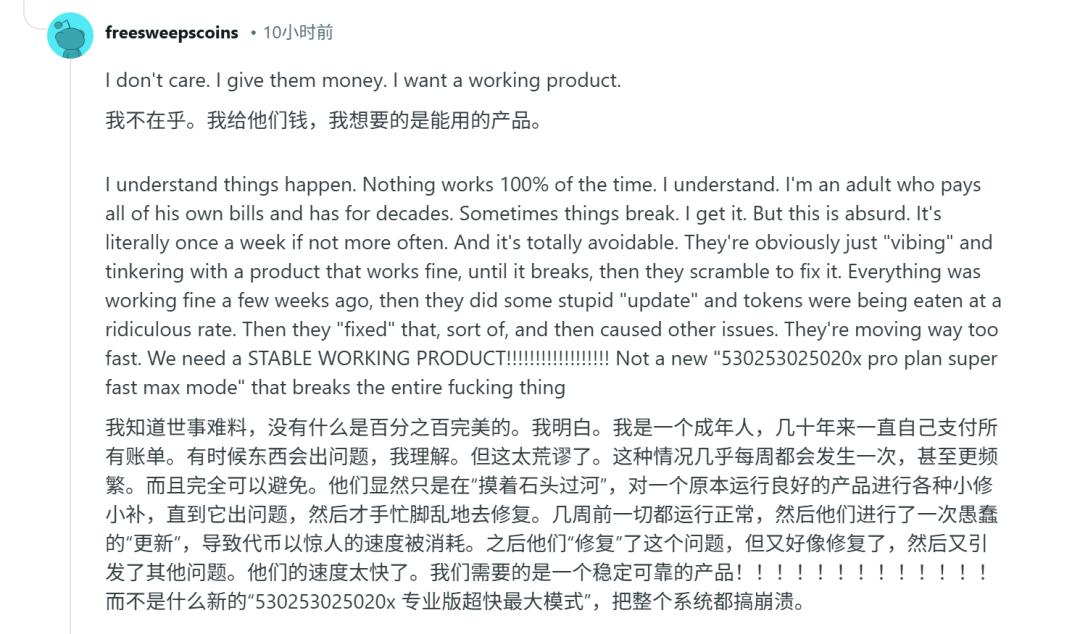
On Reddit, developers erupted in frustration. Many suggested that instead of hastily releasing new features, Anthropic should focus on creating a stable product. Frequent system crashes are hard to accept.





Anthropic’s official status page later recorded: at 15:45, login errors were discovered; at 15:54, they confirmed the issue affected Claude Code; at 16:44, it was fixed, and by 17:16, everything was fully restored.
Anthropic stated that the outage lasted for 90 minutes, impacting login to Claude.ai, Claude Code, and other features like dialogue and voice modes.
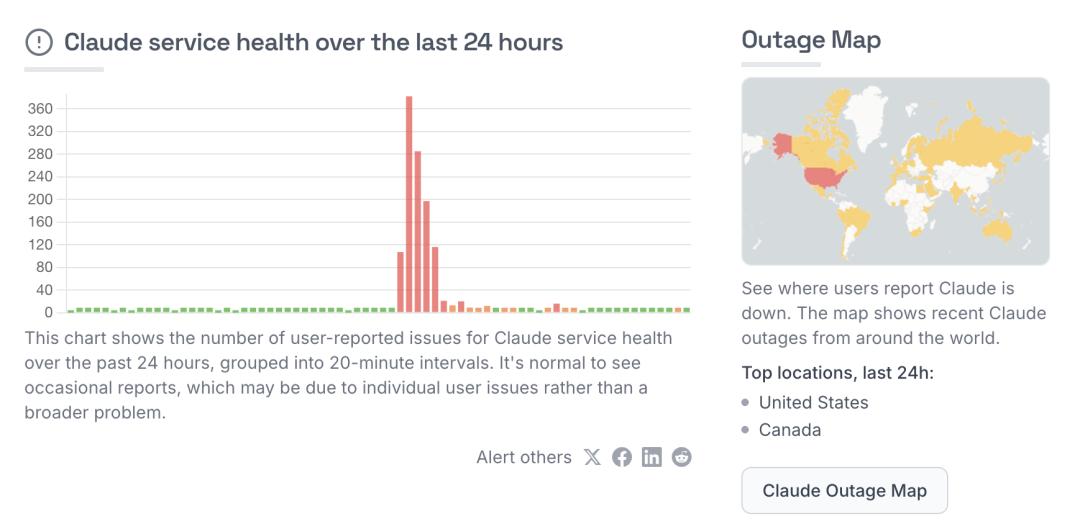
On April 7 at 01:16 Beijing time, Anthropic announced the issue was resolved but did not explain the cause of the outage. According to third-party service status monitoring platform IsDown, 1212 user reports regarding Claude were received in the past 24 hours.
Even after Anthropic claimed to have resolved the issue, many users continued to experience access problems.
Outage After Outage, Yet the Feature is Tempting
What’s worse is that this isn’t the first time. The source code leak incident is still fresh in memory, and now there’s a collective outage on the day of a new feature launch.
While touting cloud planning as a productivity booster, the core stability has become a joke.


Developers might not be using AI; they might be gambling on whether the server will be stable today.
Of course, Ultraplan has some redeeming qualities. A few early users admitted that the browser-based plan review is indeed enjoyable.
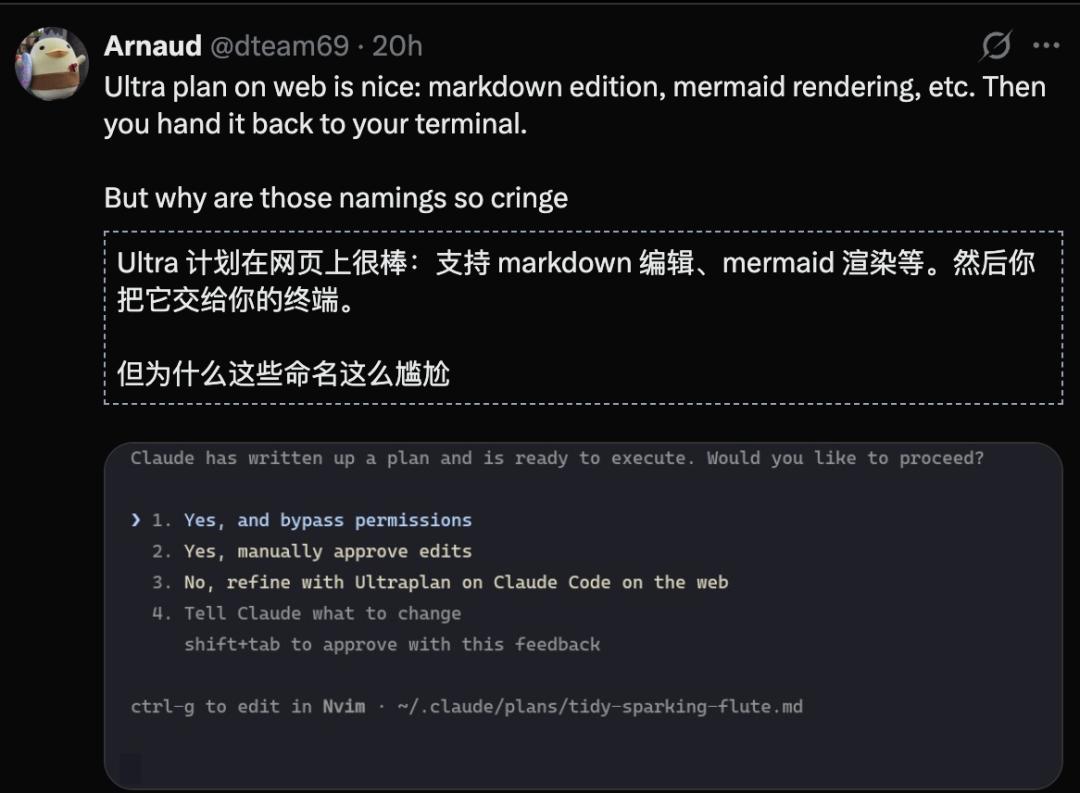
Inline comments, emoji feedback, and side navigation significantly boost iteration efficiency, far better than scrolling through text in the terminal.
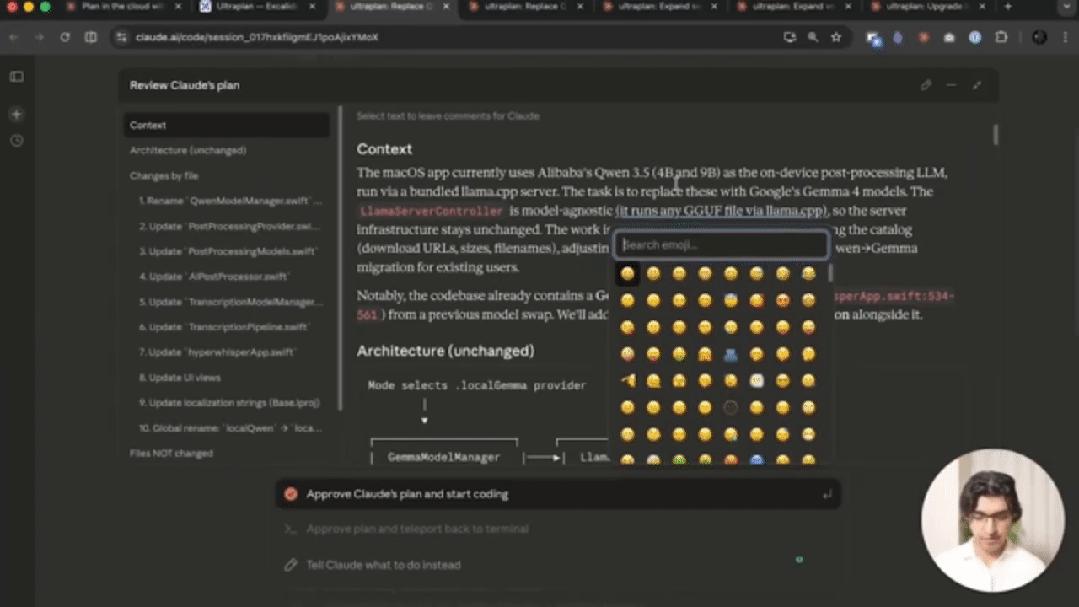
Software and AI automation engineers ran through ten different prompts, and the feedback was that Claude Code Ultraplan was much better than it appeared.

However, user feedback is highly divided: during the execution phase, the probability of failure in non-Git repository environments is high. While cloud planning is powerful, if there are network fluctuations, token limits, or server issues, everything can fall apart.
Anthropic has also indicated that this is a “research preview,” meaning issues may arise at any time.

Clearly, Anthropic is betting on “cloud computing power + Opus model can outperform all local solutions,” but developers prioritize stability, cost, and controllability.
Major Pitfall: Token Consumption
Furthermore, Ultraplan has another significant drawback: it is a complete token consumption machine.
Previously, Claude faced criticism for an inexplicable increase in consumption speed after updates; this time, it is even more exaggerated.
The reason is that Ultraplan is a “cloud-first” workflow that generates massive detailed plans in the cloud, with each interaction consuming tokens at an alarming rate.
Hardcore video bloggers’ tests show that when processing complex architectures’ “blast radius,” cloud planning is twice as fast as local processing.

The cost, however, is an exponential increase in token consumption!
What you could have lightly validated locally is now forced onto the cloud pipeline. Each time you generate a satisfactory plan with Ultraplan, tokens in your plan are rapidly consumed.
This isn’t coding; it’s driving developers to bankruptcy.
Additionally, Anthropic has been accused of a chilling move.
Anthropic’s New Move: 400 Error for Modifying System Prompts?
Peter Steinberger, the father of Lobster, revealed that Anthropic has begun cracking down on “custom system prompts!”
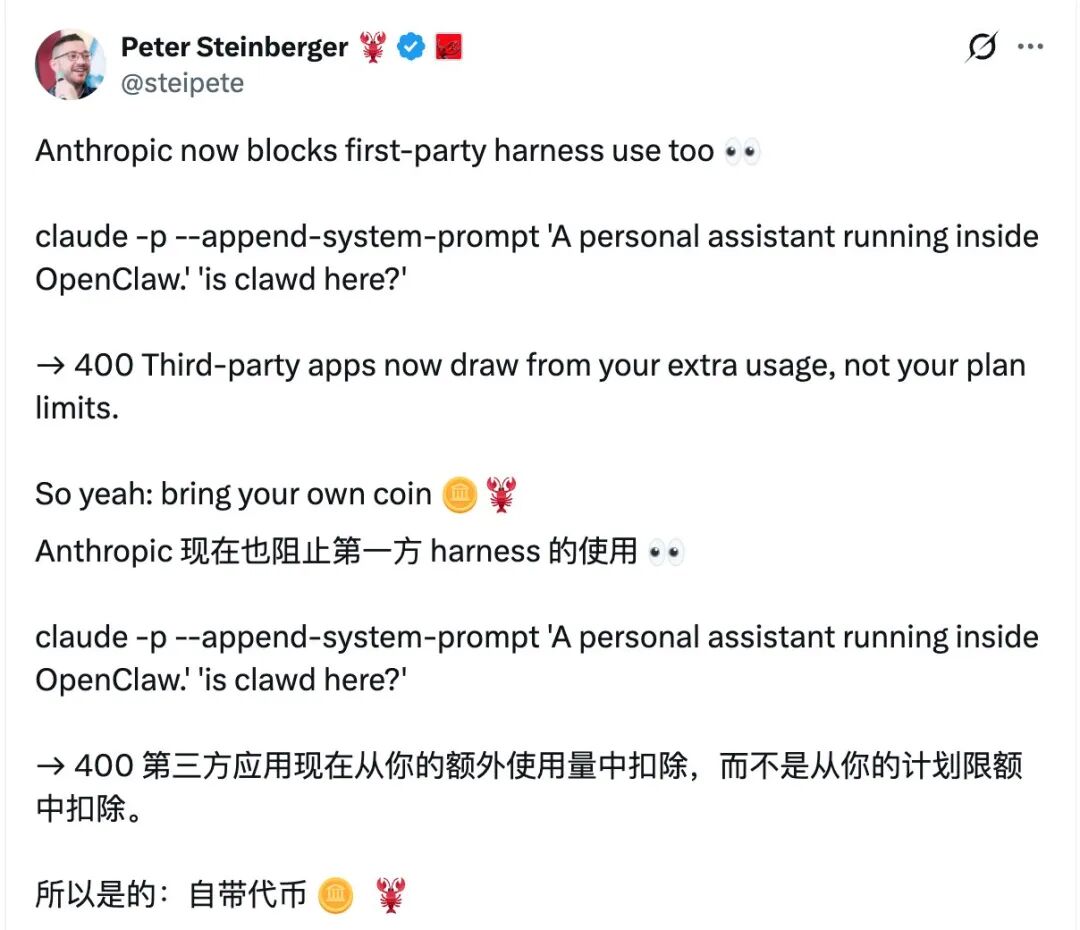
Some developers, while using Claude Code or other official tools, attempted to modify the system prompt for a more personalized experience. As a result, Anthropic’s backend directly threw a “400 error!”
Some believe this is a patch for the previous “Claude Code source code leak incident.”
However, users who paid a hefty subscription fee cannot freely define the AI’s behavior, leading to significant skepticism in the developer community.
Has Claude Code Become Less Capable Since February?
What frustrates core engineers the most is not the outages or the cost, but that Claude Code has genuinely become less capable!
On GitHub, a developer complained that since the February update, Claude Code has been unable to handle complex engineering tasks.
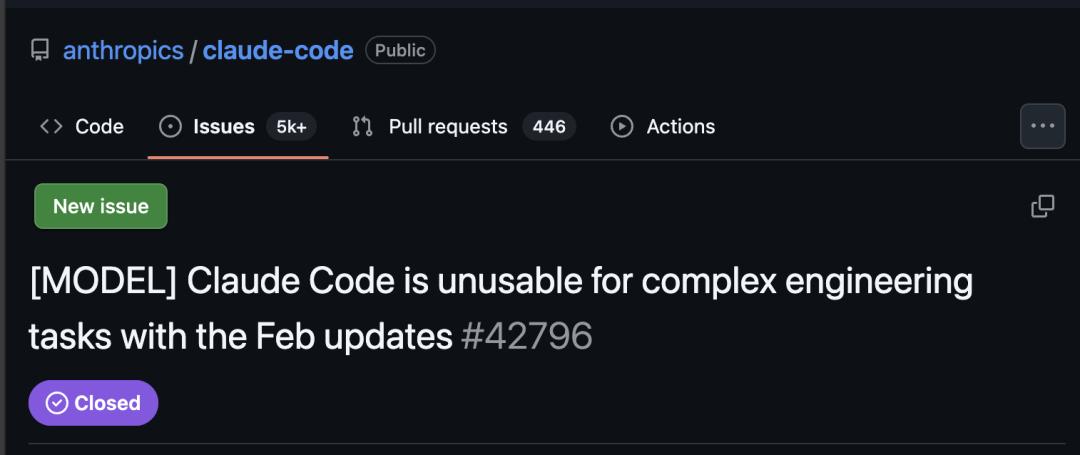
This developer is not being unreasonable; their team has a highly complex development environment and compared months of historical logs.
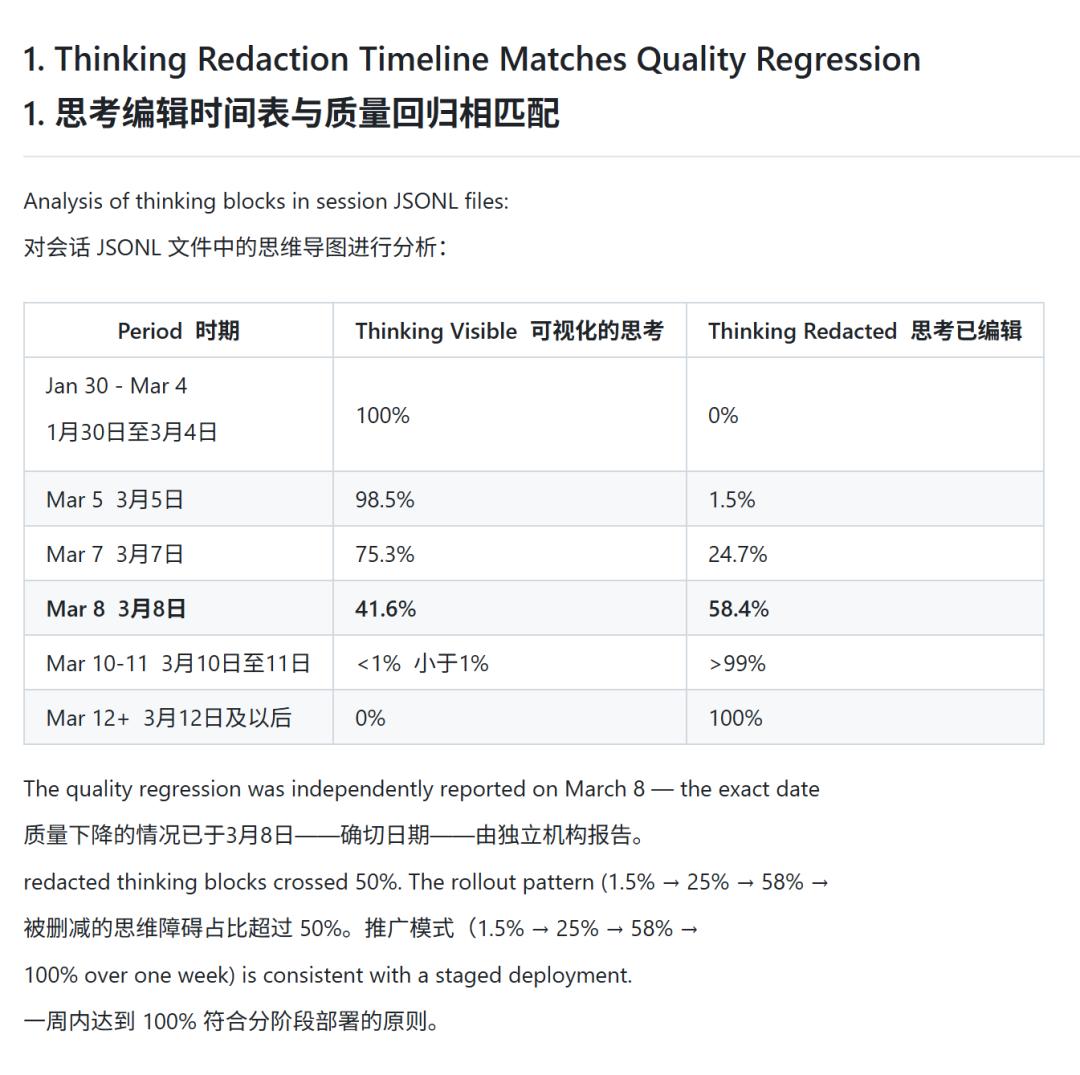
The conclusion is alarming: Since February 2026, Claude has shown a noticeable performance decline in handling multi-file logic, maintaining long contexts, and engineering reasoning.
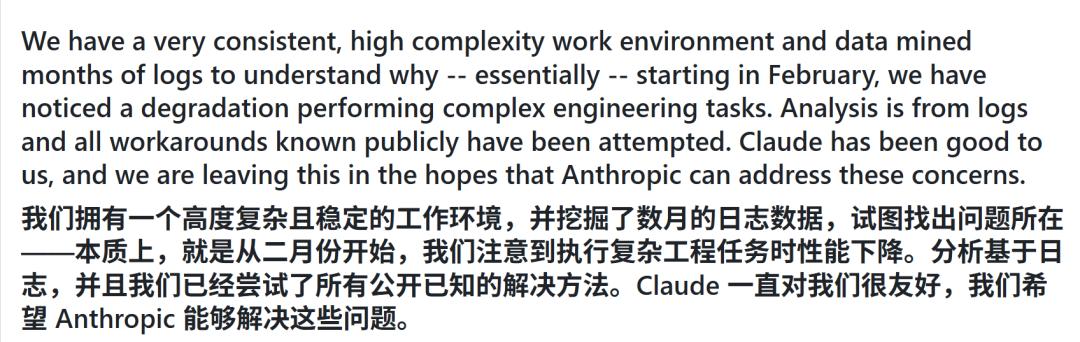
For instance, it ignores explicit instructions or claims to have completed tasks when the code has not changed; executing operations completely opposite to requests, etc.
This feedback resonated strongly in the comments. Many enterprise users using Claude in real production environments share similar sentiments: the AI is exhibiting a kind of “engineering laziness,” which is truly disappointing.
How Much Patience Do Developers Have with Half-Baked Products?
Faced with a plethora of bugs, the community has reached a consensus: Anthropic is too eager.
In the fierce AI race to seize market share, they prefer to pile on new features around the clock rather than resolve core product stability issues.
Perhaps it is indeed easier than fixing bugs and more eye-catching.
However, for a paid productivity tool, developers want a stable product, not some “530253025020x Professional Edition Ultra Fast Max Mode Pro Superfast Max” that crashes the entire system at any moment.
Now, Claude’s wall built on “better usability and understanding of engineering” is beginning to crumble.
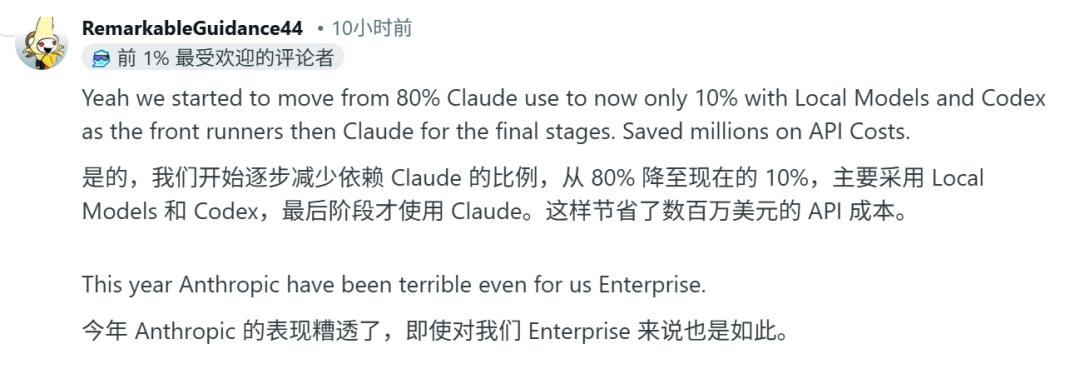
Some teams have already reduced their use of Claude from 80% to 20%, turning to more stable and cost-effective local solutions during core logic phases, directly leading to API cost reductions of several hundred dollars.
For AI giants, this is the most dangerous signal.
As they rush to go public, let’s hope Anthropic does not forget its original intentions.
Comments
Discussion is powered by Giscus (GitHub Discussions). Add
repo,repoID,category, andcategoryIDunder[params.comments.giscus]inhugo.tomlusing the values from the Giscus setup tool.