A Post Goes Viral on Reddit
A post on Reddit has gone viral! With just a few clues, Claude revived a legendary game from 30 years ago.
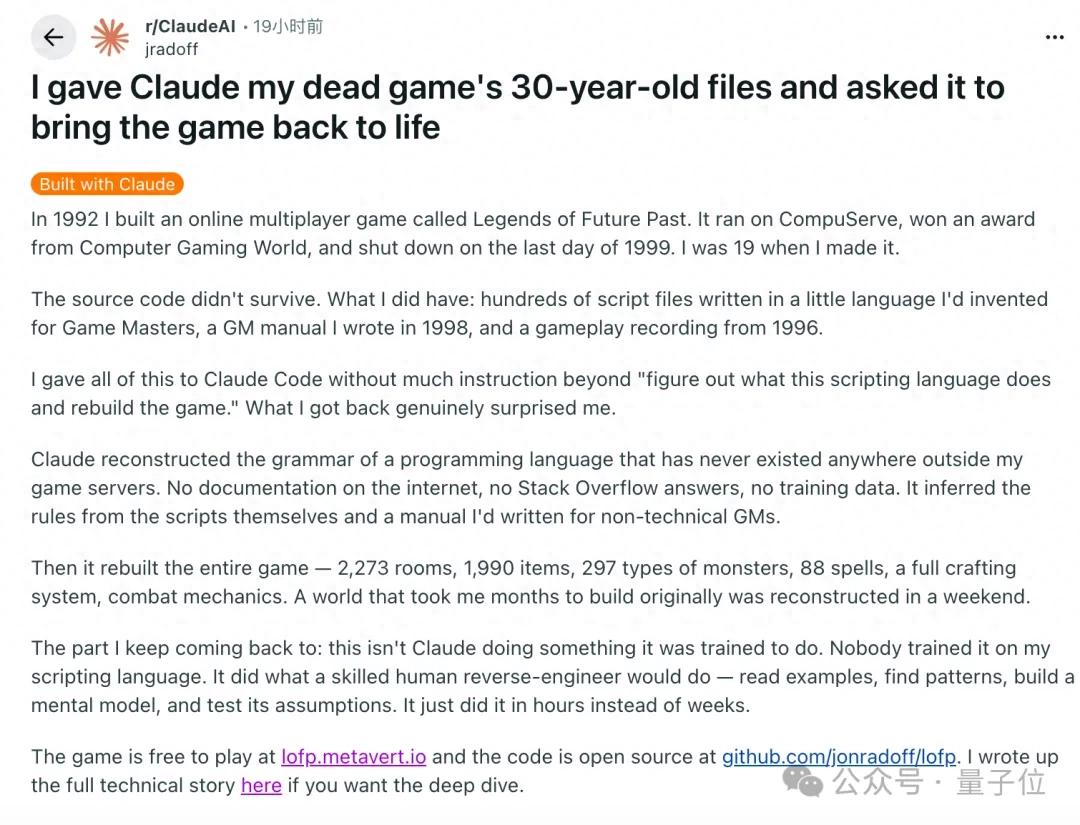
Currently, the comments have surpassed a hundred, and the consensus among netizens is that this post is legendary.
The poster is Jon Radoff, CEO of game developer Beamable, who used Claude to resurrect his MUD (Multi-User Dungeon) game developed when he was 19 years old —
in just one weekend.

The game is called Legends of Future Past, developed in 1992, and has been “dead” for 27 years without any source code.
Jon spent six months writing the code back then, using a custom scripting language he invented.
Surprisingly, Claude Code reverse-engineered his custom scripting language from 30 years ago and fully rebuilt the game world with minimal information.
Now, the entire Reddit thread has turned into a grand nostalgic journey.
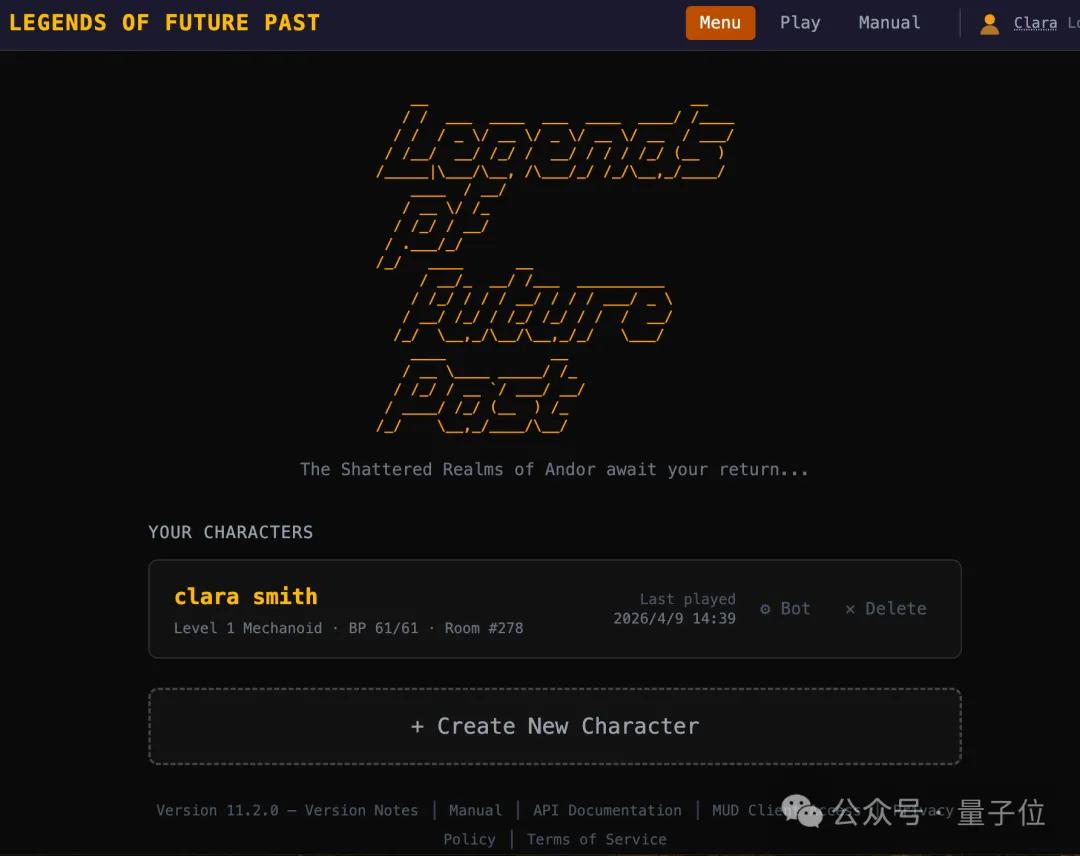
Many users are sharing memories about MUD and BBS games, with some recalling their experiences playing this game.
One user shared that he also revived his DOS application from the 90s using a similar method.
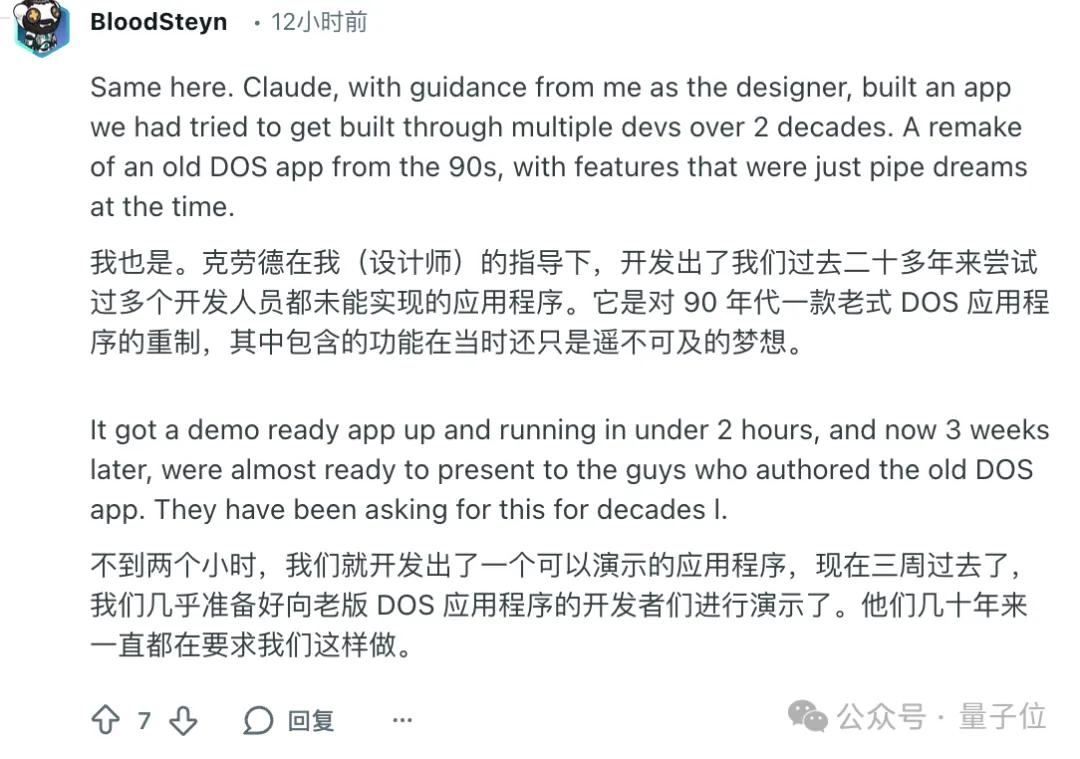
What the team couldn’t achieve in twenty years, Claude accomplished in just two hours to produce a demo version.
Claude Revives a Legendary Game
Jon Radoff’s Legends of Future Past is actually one of the earliest commercial MMORPGs (Massively Multiplayer Online Role-Playing Games).
It had no graphical interface and relied on text to depict scenes, characters, and plots, allowing for immense imaginative space.
Players communicated with the server by inputting specific commands, such as moving (n/s/e/w), fighting, chatting, etc.
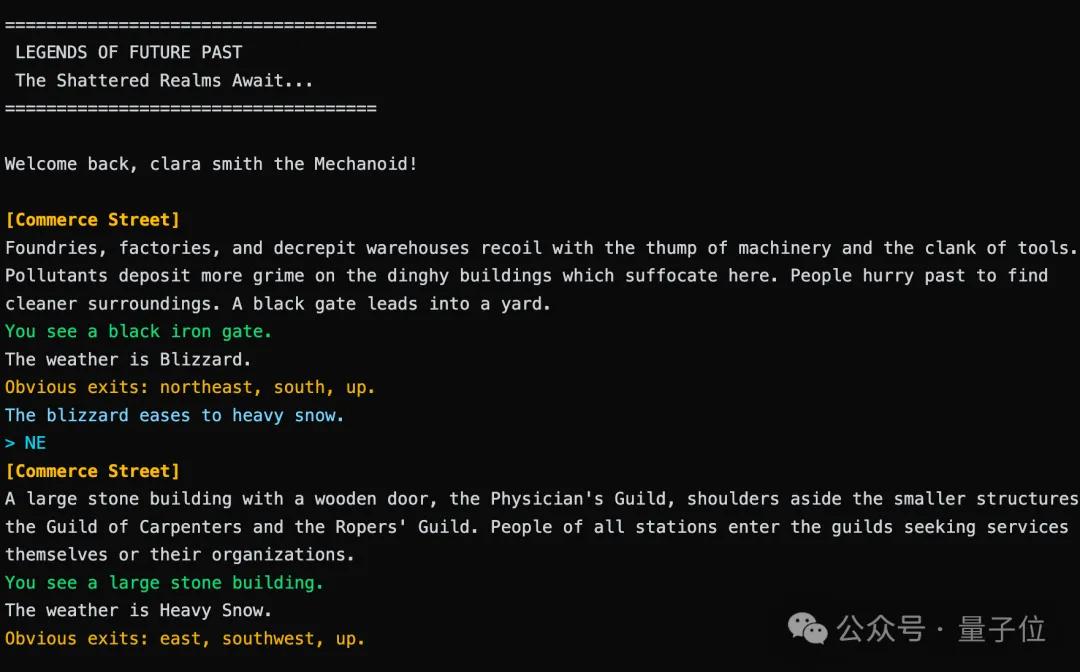
This game was initially released on the CompuServe server and migrated to the public internet after commercial access opened in 1994.
It won the 1993 Computer Gaming World’s Special Award for Artistic Excellence and is considered a precursor to MMOs like World of Warcraft and EverQuest.
After running for seven years, Legends of Future Past shut down in 1999, disappearing completely — no archives, no emulators, just memories.
Looking back, Jon was just 19, developing this game on a 16MB memory 486 computer.
He spent six months writing the code, while the game content took a team years to build —
Yet Claude revived it in just one weekend.
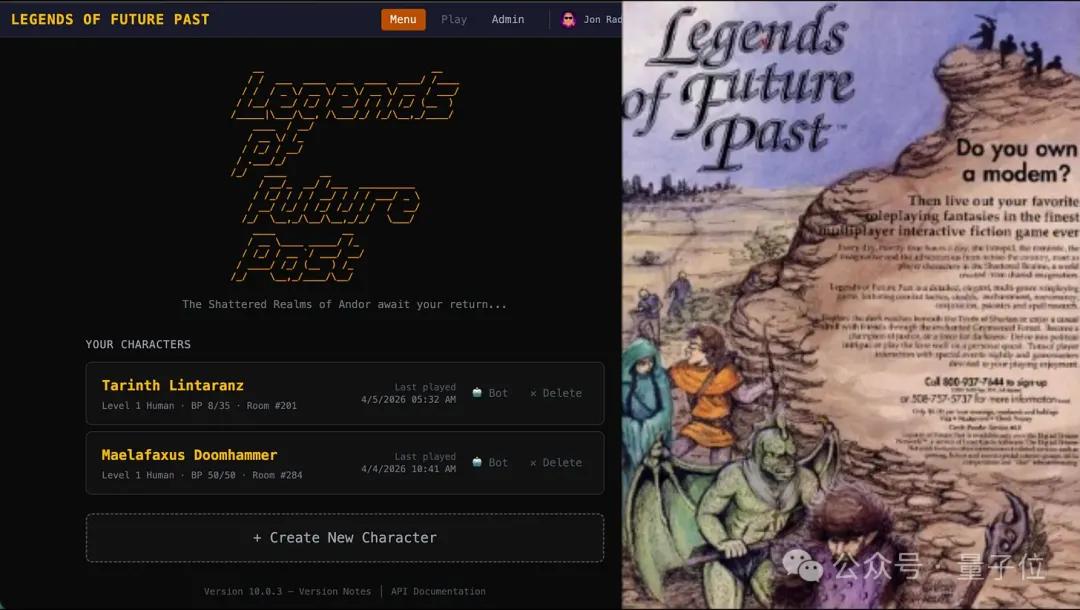
Jon had only the following materials:
- A complete script file written in a custom scripting language he invented at 19, defining every room, monster, item, spell, and interaction in the game world;
- A 1996 game recording, a 1998 original GM script manual, and some player documents.
However, there was no source code for the game engine.
Jon fed this information to Claude Code, allowing it to understand what the game was and reconstruct it.
He spent the entire weekend closely collaborating with Claude Code: providing background information, guiding its decisions, correcting it when it went off track, and making technical judgments.
Jon admitted:
AI programming is not autopilot; it’s more like guiding a tireless, talented collaborator, and you need to pay constant attention to it.
Surprisingly, without the source code, Claude Code managed to reproduce the core experience of the original game solely by observing its output and interactions:
- It reverse-engineered Jon’s custom scripting language, parsing DOS-era script files and decoding combat formulas from the game admin documents;
- It inferred monster behavior patterns from strategy fields (which encode AI configurations as integer ranges);
- Then, it built a complete game engine in Go, a React frontend, a WebSocket multiplayer layer, and a MongoDB persistence system.
- Finally, it was deployed on the Fly.io platform.
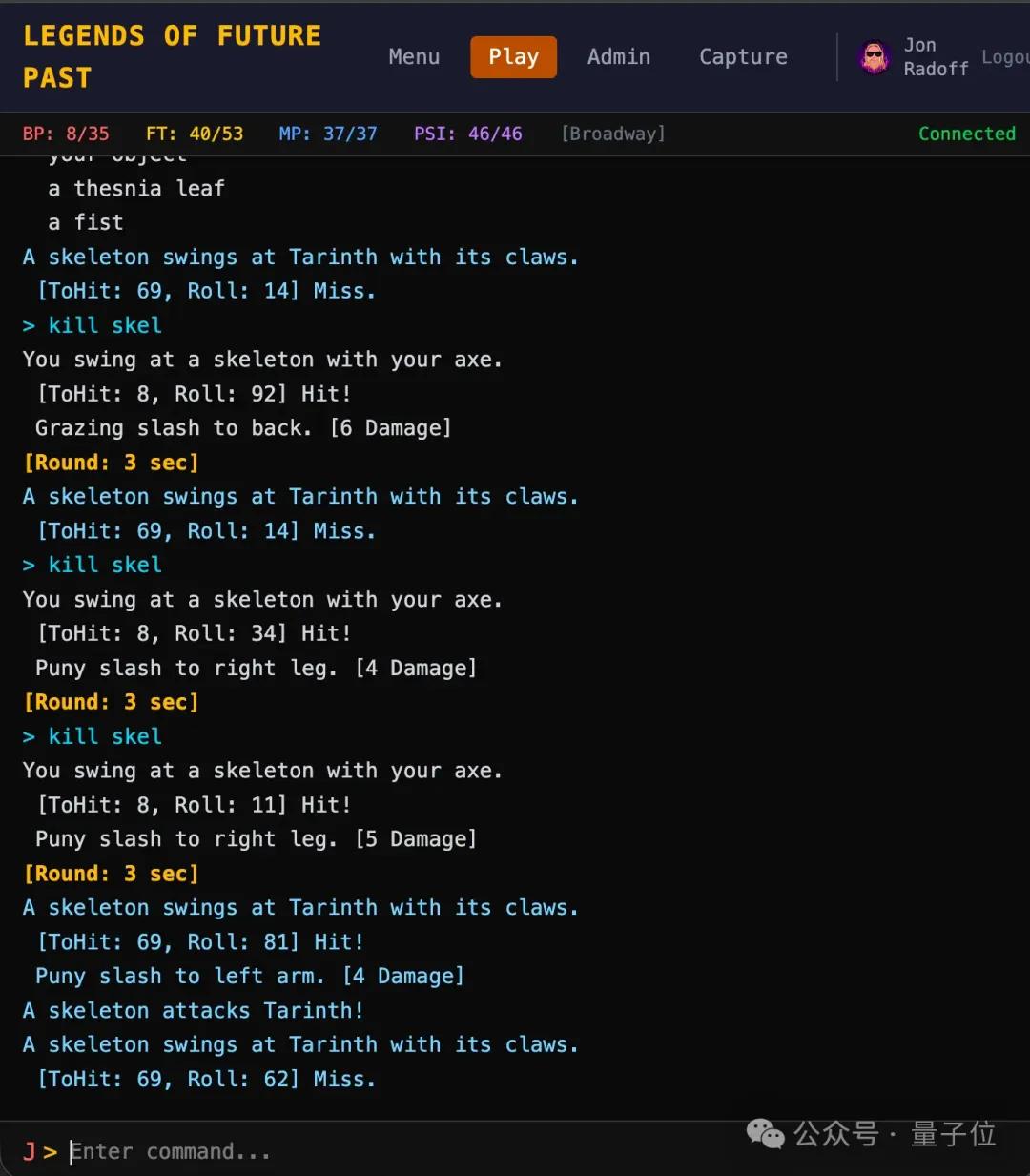
Reverse Engineering a 30-Year-Old Scripting Language
The scripting language Jon wrote was quite primitive and, in retrospect, he feels embarrassed by it.
To fit the game into a computer with only 16MB of memory, he took various “memory-saving” shortcuts in the scripts.
It used imperative syntax with conditions like IFVERB and IFVAR; it was case-insensitive and used DOS encoding.
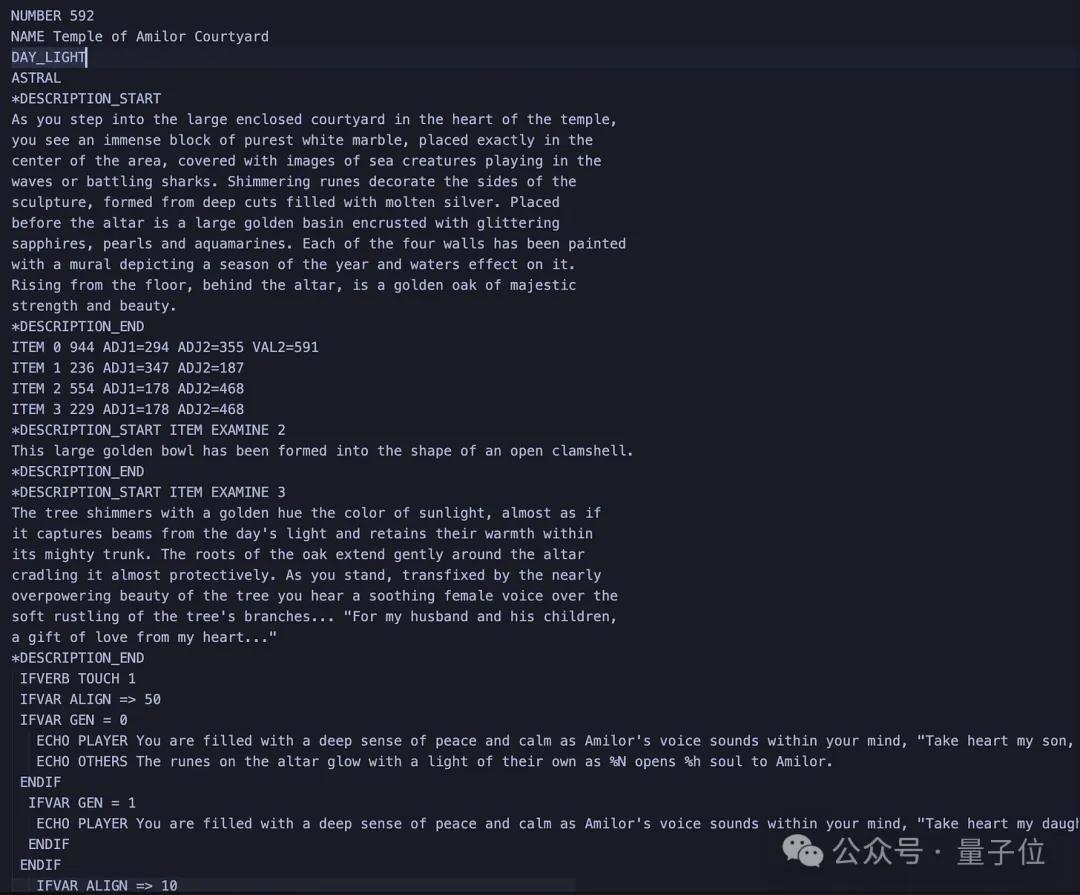
Jon humorously remarked that it was “terribly bad”, even apologizing to the game admins who used it to write scripts back then.
But this “bad code” was functional — even those with average technical skills could learn to use it to write complex storylines, puzzles, and events.
What amazed Jon was that there were no formal specifications (no language manual), just a GM manual and a bunch of example scripts.
Claude Code astonishingly reconstructed the language interpreter from these materials.
The original script posed several technical challenges:
- It used DOS encoding, where filenames are case-insensitive, which would immediately cause errors on case-sensitive file systems;
- Script blocks could terminate implicitly — this pattern required the parser to infer structure rather than just follow explicit delimiters;
- Variables existed in multiple namespaces (player attributes, item attributes, environmental data) and had to be resolved at runtime based on context.
Claude managed to parse conditional logic, decode the definition system for nouns and adjectives, and understand the categorization of room descriptions.
It also rebuilt the entire execution model for script triggers — entry scripts, verb scripts, verb pre-validation, and voice processors —
It had everything.
Even Jon himself was amazed:
A language designed thirty years ago was completely reconstructed by an AI that had never seen it.
The final remastered version includes:
2273 rooms, 1990 items, 297 monsters, 88 spells, and 30 psychic disciplines.
There’s also a complete crafting system (mining, smelting, forging, alchemy, weaving), 8 playable races, and a 12-month in-game calendar.
This experience completely reshaped Jon’s understanding of what happened that weekend:
If he had developed a game like Legends of Future Past back in the 90s, just writing the game engine would have taken one person months; plus, a team would spend years building the game world: writing a custom game engine in C, manually coding thousands of rooms and items, managing server infrastructure —
And the costs of that infrastructure would exceed that of a car.
Now, people only need to provide game concept materials, while the traditionally resource-intensive engineering parts can be fully handled by AI.
Jon reflected:
If all it takes is creative materials and a weekend, how many lost online worlds could be revived?
How many games that only exist in people’s imaginations could now become reality?
Who is Jon Radoff?
Jon Radoff, the protagonist who revived his own game, has an impressive background.
He is an entrepreneur and game designer, as well as the CEO and co-founder of Beamable.
Beamable is an online game service platform based on the Unity engine, which was acquired by gaming competition platform Skillz in January this year.
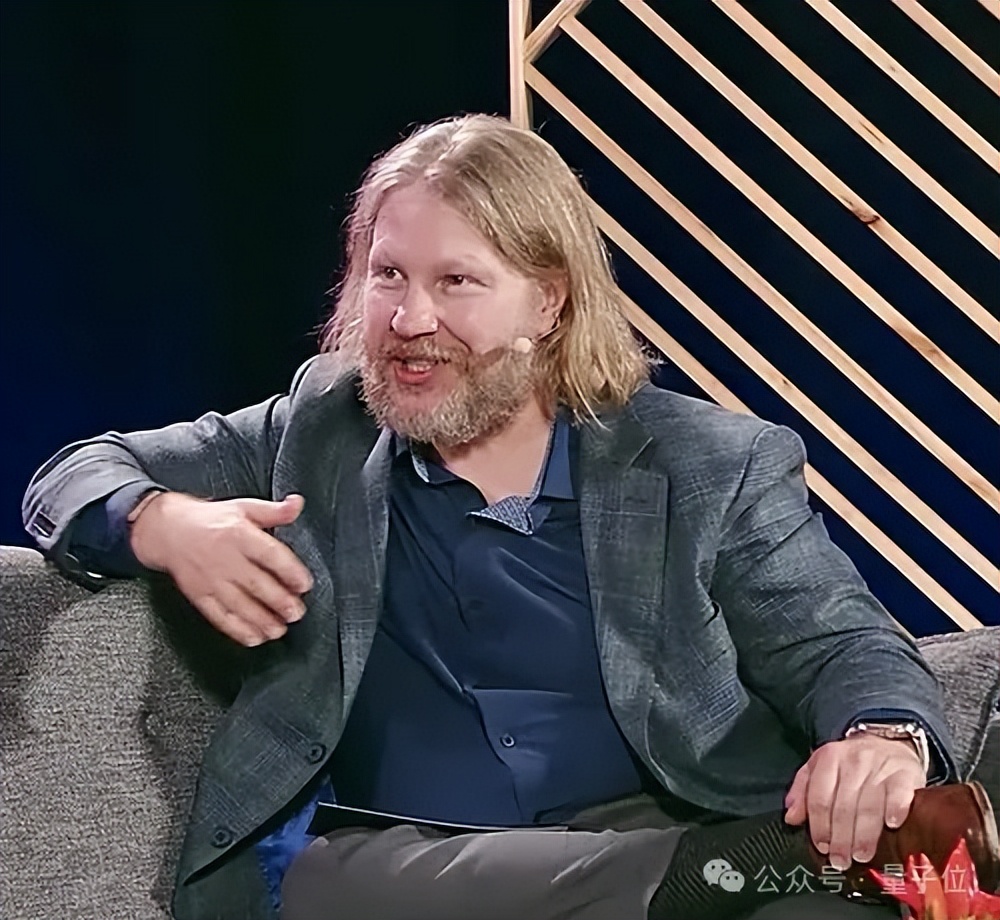
He has been involved in developing BBS games since high school, founded NovaLink in 1991, and created Legends of Future Past at NovaLink.
Subsequently, he founded companies like Eprise, GamerDNA, and Disruptor Beam.
His developed games include Final Frontier, Cyber Corp, True Pirates, Game of Thrones Ascent, and Star Trek Timelines.
The remastered version of Claude’s game is now online, and the codebase has been fully open-sourced.
Interested friends can check it out!
Game link:
lofp.metavert.io
Code repository:
https://github.com/jonradoff/lofp/tree/main/original/scripts
Comments
Discussion is powered by Giscus (GitHub Discussions). Add
repo,repoID,category, andcategoryIDunder[params.comments.giscus]inhugo.tomlusing the values from the Giscus setup tool.